Discover the most popular types of reverb effect and what is it used for: Hall, Room, Spring, Plate, Shimmer and Reverse.
Reverb is one of the most widely used effects in music production. It can be applied to virtually any instrument or vocal track.
Like delay, reverb is a time-based effect. However, while delay simulates an echo in an open space, reverb simulates an echo in an enclosed space. Consequently, reverb produces a more compact and uniform sound.
In spaces where echoes are virtually non-existent, our voice will sound quiet and dry, fading away almost instantly. However, in spaces that allow echoes to form, our voice will sound more powerful and resonant, meaning the sound lingers slightly after production.
What is Reverb Used For?
Many people who can’t sing for toffee find themselves belting out tunes at the top of their lungs in the bathroom, thanks to the acoustics of the tiled walls. This resonance makes it easier to sing in tune, which is why our artistic side comes out when we’re showering.
In recording studios, a basic rule is to always apply a Reverb effect to vocals, usually Hall, even if it is only fed into the singer’s headphones and not onto the recording track.
This makes the singer feel more comfortable while they are performing, even if the recording remains dry (without any effects). It also allows them to experiment later to see which effect suits the final mix best.
But it’s not just singers who like this effect. The vast majority of guitarists also use it to some extent to make their amp’s speaker sound less dry.
In fact, this effect is often included as standard with most amplifiers. Even legendary amplifiers like the Fender Twin Reverb use it as a selling point. This highlights the distinctive characteristics of its spring reverb.
We should minimise the use of reverb in rooms that echo a lot. This is because combining strong reverb with a room’s natural echo can result in a muddy sound.
Most Popular Types of Reverb
SPRING
Although the spring reverb was originally fitted to old amplifiers, it is still widely used today.
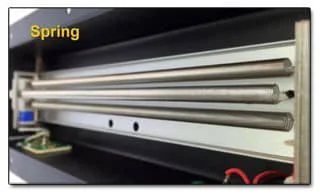
This was an ingenious way of creating mechanical reverb. Although it is not a natural echo, its basic design certainly contributed to the history of the effect and the vintage reverb sound.
Types of Reverb: HALL
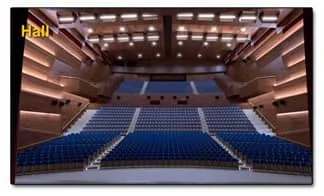
Hall reverb mimics the long echoes that occur in large concert halls. Thanks to its versatility, depth, naturalness and grandeur, it is one of the most popular types of reverb. After all, who wouldn’t want their music to sound as though it were being played in a magnificent auditorium?
ROOM
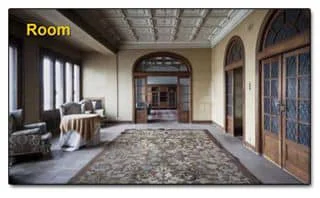
The Room reverb simulates the acoustic response of small to medium spaces. It produces a natural-sounding reverb with faster decay, a drier sound and less brightness than the Hall reverb.
Types of Reverb: PLATE
The Plate effect imitates plate reverbs, which were used in recording studios before digital technology was introduced. While it doesn’t produce a particularly natural sound, it certainly forms part of the historic ‘old-school’ sound palette and is widely used for vocal reverb.
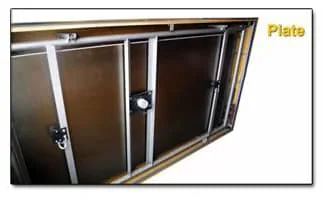
Like the spring reverb unit, the plate reverb unit generates reverb mechanically. However, instead of using springs, it uses metal plates. This produces the typical ‘click’ of the spring reverb, as well as a sound similar to that of a Hall, albeit less deep and three-dimensional.
REVERSE
Nowadays, classic reverb effects have been supplemented with other effects, such as ‘Reverse’. As the name suggests, this effect reverses the echo signal. This creates an unsettling effect, with a low initial sound that increases in volume until it reaches its starting point.
SHIMMER
Another of these new reverb effects is the Shimmer. It is ideal for creating immersive and atmospheric accompaniments, as it gives the impression that the guitar is being accompanied by an organ or synthesiser.